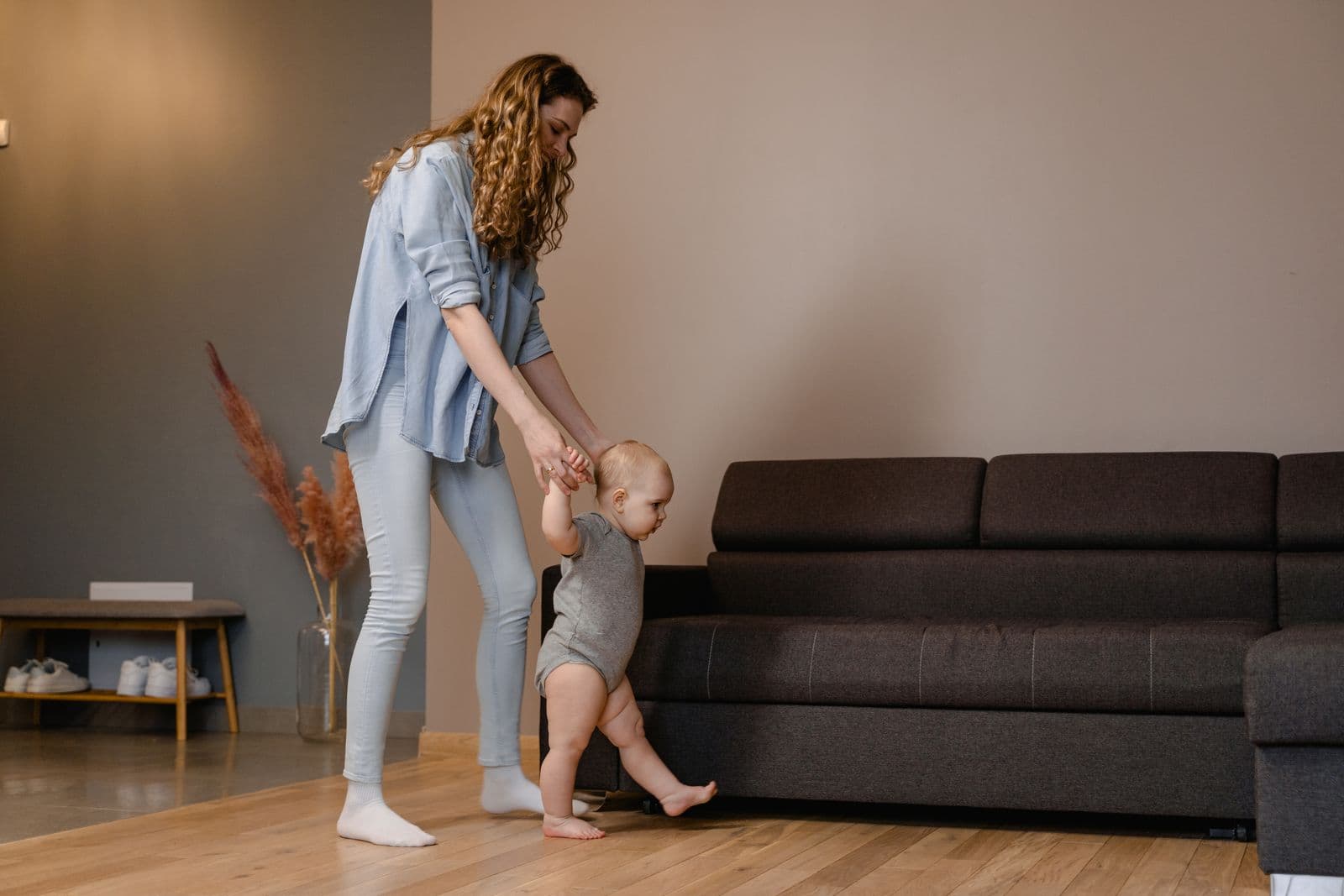
Play Gyms and Activity Centers: What Earns the Floor Space
A play mat is the most-used purchase of the first year. A walker is the one the AAP has asked to be banned outright. The difference matters.
- Writer, standards and the recall record
- Mar 11, 2026
- Updated Jul 19, 2026
- 8 min read
In this guide
Four products in this category look adjacent on a shelf and are nothing like each other in what they do or what the evidence says about them. One is among the best-value purchases of the first year. One is a useful twenty-minute container. One is fine with conditions. And one has been the subject of a standing call from the American Academy of Pediatrics for a ban on its manufacture and sale.
Sorting them out is worth doing before you buy any of them.
The play gym, and why it wins
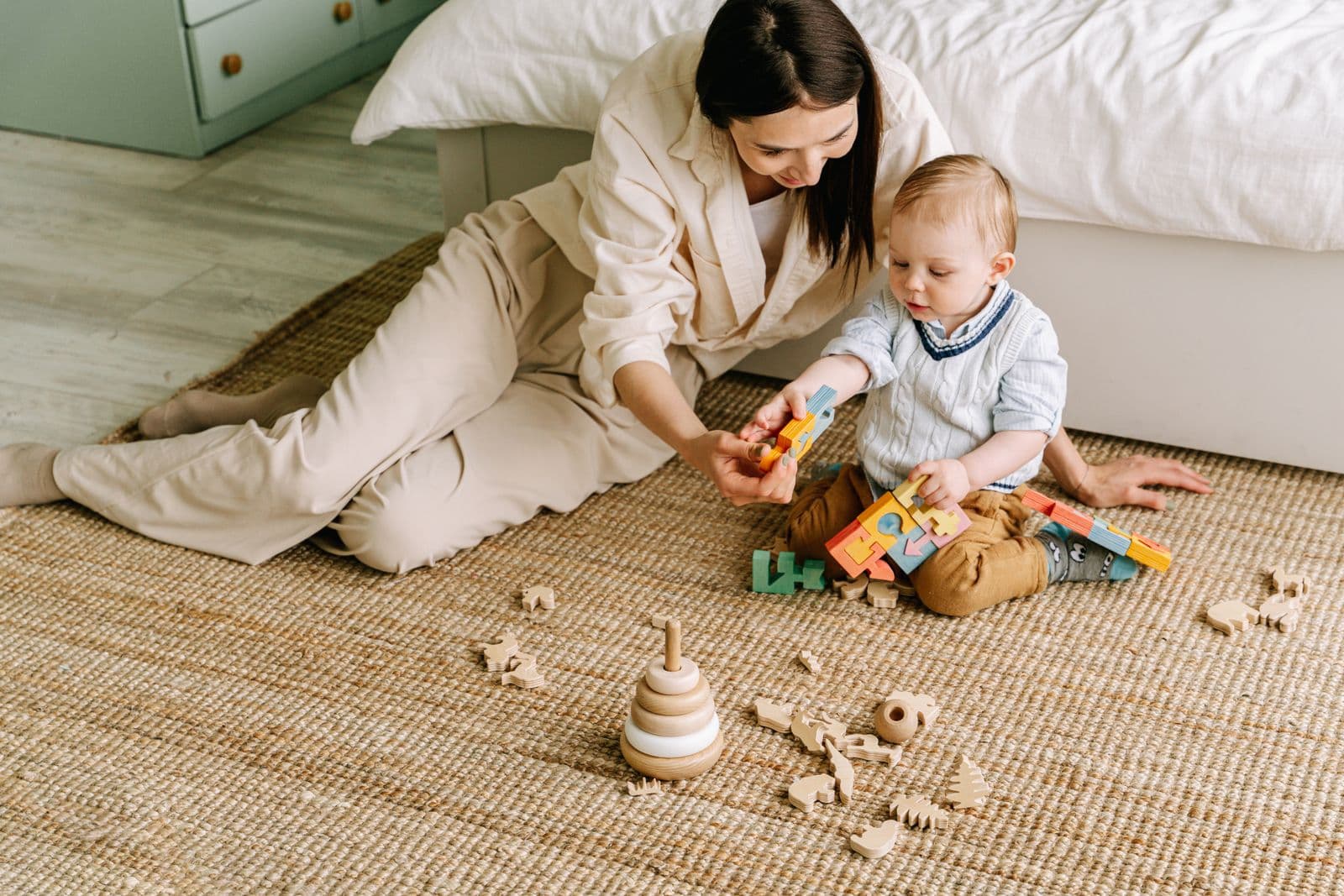
A play gym is a mat with an arch over it and things hanging from the arch. It is the highest-value floor purchase of the first year and it is not close.
It works because it supports the things a young baby is actually doing. On the back, the hanging objects are within a newborn's short focal range and give them something to track, then to swipe at, then to grasp. Turned over, it is a tummy time surface with a reason to lift the head, which is the whole difficulty of tummy time.
What to look for is short. A mat thick enough to be comfortable on a hard floor and machine washable, because everything that happens on it will need washing. Detachable toys, so they can be used off the arch once the baby can hold things. High contrast for the newborn weeks, since visual acuity is limited early and black-white-red patterns are easier to fix on than pastels. And a flat fold or a light frame, because it lives in a living room.
What to ignore: lights, music and anything with a battery. On a play gym specifically, they are the feature that takes the narrating job away from you, which is the argument in do developmental toys do anything.
Working life is roughly birth to six or seven months as a gym, and longer as a mat.
The activity center, with a timer on it
A stationary activity center is a seat in a frame with a tray of toys and no wheels. The child sits upright, can turn, and cannot go anywhere.
The honest description is that it is a container. It buys you the twenty minutes it takes to cook something or answer a door with a baby who is upright and entertained and not on the floor. That is a real and legitimate use, and it is not developmental equipment.
Two limits worth respecting. The first is the manufacturer's stated minimum, which is normally that the baby can hold their head up unassisted, and the maximum, which is normally that they can walk or climb out. The second is time. Extended periods in any seated container is time not spent on the floor moving, and floor time is where gross motor development happens. Common guidance is to keep sessions short, on the order of twenty minutes at a stretch and not many stretches a day.
Set the height so the feet rest flat rather than dangling or bearing weight on tiptoes.
The jumper, with more conditions
A doorway jumper or a stationary jumper adds a bounce. Children frequently love them, which is the entire appeal.
The conditions are tighter than the packaging suggests. Doorway models depend on a door frame and a clamp, and the failure mode is the clamp, so the frame has to match the manufacturer's specification exactly. Sessions should be short. Height matters more here than in a static seat, because a child jumping on tiptoes is loading through a position that is not how walking works.
If you want one, a free-standing jumper avoids the door frame question entirely and is the version worth paying for.
The baby walker, which is the outlier
A mobile infant walker is a seat in a wheeled frame that lets a baby who cannot walk move at speed.
The American Academy of Pediatrics recommends a ban on the manufacture and sale of mobile infant walkers, on the basis that there is no clear benefit from their use. That is not a caution. It is a request to remove the category.
The injury record is the reason. Between 1990 and 2014, close to 231,000 children under 15 months were treated in United States emergency departments for infant walker-related injuries. Most were head or neck injuries, and nearly two thirds of the incidents involved falls down stairs.
The mechanism is that a walker gives a baby speed and reach they do not otherwise have, in a body that cannot yet stop or steer. That is how they reach stairs, hot drinks, cleaning products and pool edges. And the thing they are named for is not supported either: walkers do not teach walking, and the AAP's position is that they can delay normal motor development.
If you want a child upright and mobile, a push-along toy that they walk behind, on their own feet, once they are already pulling to stand, does the thing a walker claims to do without any of this.
What to buy, in order
A play gym, early, and use it every day. Everything else in this category is optional.
An activity center if you need twenty minutes of hands free, treated as exactly that.
A free-standing jumper if the child turns out to be one who loves bouncing, in short sessions with the height set properly.
Not a mobile walker.
Where this sits
What a baby can actually do with a toy at each point in the first year is in toys by development stage, and the question of whether any of it is "developmental" is answered in do developmental toys do anything. The picks themselves are in the best first toys. Floor time is also where the other half of the day happens, which makes the room layout a live question, covered under Nursery Essentials. Nothing from this category belongs in a sleep space, for the reasons in the cribs and bassinets guide.
Questions people actually ask
Are baby walkers illegal in the United States?
They are not banned, and the AAP has recommended a ban on their manufacture and sale. There is a federal safety standard covering them, which addresses some hazards and does not remove the underlying one: a pre-walking baby with wheels, speed and reach they cannot control.
How long can a baby be in an activity center?
Short sessions, commonly cited as around twenty minutes at a time and not repeated through the day. It is a container rather than developmental equipment, and the time spent in it is time not spent on the floor, which is where gross motor development actually happens.
Is a play gym worth it if we have a rug?
Usually yes, for the arch rather than the padding. The hanging objects are what give a young baby something to track, swipe and eventually grasp, and they are the reason tummy time on a gym works better than tummy time on a rug.
Do doorway jumpers damage hips or legs?
The concerns most often raised are about time in a seated position and about jumping on tiptoes rather than about a specific injury mechanism. Set the height so the feet rest flat, keep sessions short, and if the door frame does not exactly match the clamp's specification, use a free-standing model instead.
What replaces a walker for a baby who wants to move?
Floor time, which is what the movement is for, and once a child is pulling to stand, a push-along toy they walk behind on their own feet. That gives the upright mobility a walker promises, at the speed the child can actually control.
Sources
As an Amazon Associate we earn from qualifying purchases. We earn a commission on some links, at no extra cost to you. It never changes which products we recommend or the order they appear in. Full disclosure

Who wrote this
Writer, standards and the recall record
Dan Whitfield writes the standards side of BabyGearSearch: what a certification actually covers, what the CPSC recall database says about a brand, and what the one-star reviews agree on six months in. He is not a clinician and does not write as one. His job is to read the standard rather than the marketing page, quote the real number, and name the limit the packaging skipped.
More from DanThe standard
How this guide was built
- Manufacturer specification sheets and warranty terms, read in full rather than summarised from a listing.
- The federal safety standard the product is certified to, plus anything NHTSA, the AAP or the CPSC has published on it.
- Owner reports at volume, including the one-star reviews, which is where failure modes live.
- Every price checked against the live listing on the date printed beside it.