Travel System or Buying the Stroller and Seat Separately?
A bundle is one decision and one price. Buying the pieces apart is two of each. Which one wins depends on three questions about your next four years.
- Editor, gear and the arithmetic of a small home
- Mar 24, 2026
- Updated Jul 15, 2026
- 8 min read

In this guide
- Question one: is your car unusual?
- Question two: how long is the infant seat actually in use?
- Question three: is there a second child coming?
- What a travel system genuinely gets you
- What buying separately genuinely gets you
- The adapter question, answered properly
- The version of this that most families should buy
- Sources
A travel system is a stroller frame and an infant car seat sold together, designed to click into each other without an adapter and priced as a bundle. Buying separately means choosing the best frame for your house and the best infant seat for your car, then buying the adapter that joins them.
Both are reasonable. The bundle is cheaper and simpler and constrains your next four years. Buying apart costs more up front and keeps every decision open. Which is right comes down to three questions, and none of them is about the products.
Question one: is your car unusual?
This is the question that most often decides it, and it decides it hard.
Infant car seats vary considerably in how much front-to-back space they need, and cars vary considerably in how much they have. A seat that installs rear-facing in a large SUV with room to spare may not allow the front passenger seat far enough back to be usable in a small hatchback. Compact cars, two-door cars and cars where an adult over six feet needs the front seat all the way back are the cases where this bites.
If your car is in that group, the car seat is the constraint and the stroller has to follow it. Choose the seat that genuinely fits the vehicle, then find a frame with an adapter for it. Buying a bundle and hoping the included seat works is how people end up returning a boxed travel system, and the fit problems that matter are worked through in our car seat guide.
If your car is an ordinary saloon, estate or crossover with a normal amount of rear legroom, this constraint mostly goes away and the bundle becomes much more attractive.
Question two: how long is the infant seat actually in use?
Shorter than the marketing suggests. Most infant seats are outgrown by height before weight, and the practical range is somewhere around nine to fifteen months for a typical baby. After that the seat is a convertible seat that stays in the car, and the click-in stroller connection stops being relevant entirely.
That reframes the bundle discount. You are getting a discount on the component with the shortest working life, joined to the component you will use for four years. A saving of a hundred and fifty dollars on a system whose stroller half you will still be pushing in 2030 is a real saving, and it is a smaller one than the sticker suggests.
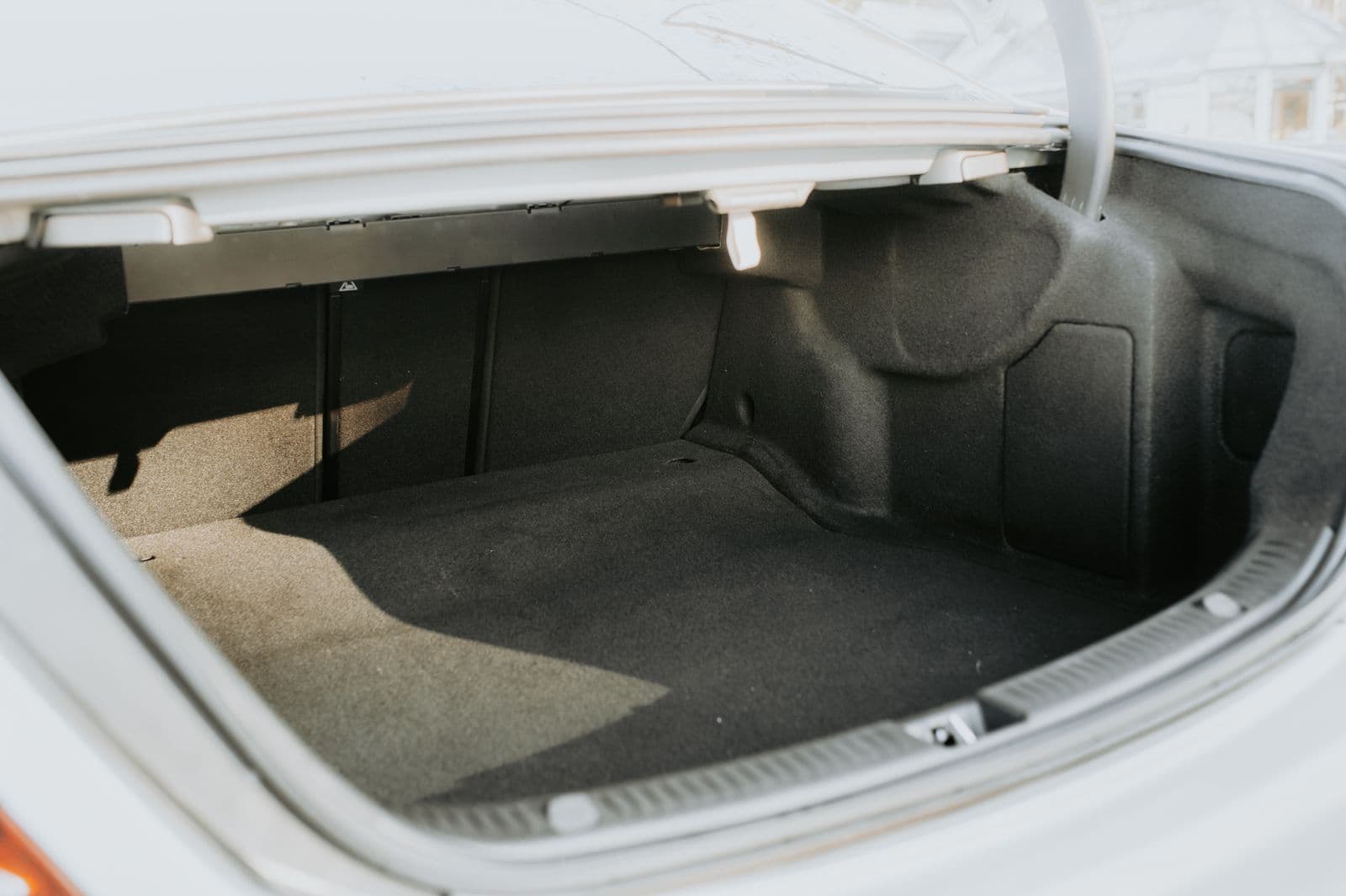
The corollary matters more. If the frame is the thing you keep, the frame is the thing to get right. A bundle chosen because the seat was good, with a frame that does not fit your boot or your hallway, has optimised the wrong half. The measurements that decide this are in measure your boot before you buy a stroller.
Question three: is there a second child coming?
If a second is likely inside three years, look at what the frame does about it before anything else.
Some frames accept a second seat and convert to a double. Some do not and never will. The conversion kit is usually a substantial extra cost, and the resulting double is usually wider, heavier and harder to fold than the single was, which brings you back to doorway and boot measurements.
A bundle bought without asking this question is the most common route to owning two strollers by the time the second child arrives, which is a considerably worse financial outcome than any adapter.
What a travel system genuinely gets you
One price, and it is lower. Bundles are discounted against buying the same two items apart, usually by a meaningful margin.
A guaranteed fit with no adapter. The seat clicks straight into the frame. There is no part to lose, no compatibility chart to read, and no small plastic component to source in three years when it breaks.
One brand to deal with. For warranty claims, spare parts and recall notices, one manufacturer is simpler than two.
A shorter decision. This is underrated by people who are not currently exhausted. Making one choice instead of four is worth something real.
What buying separately genuinely gets you
The right seat for your car and the right frame for your house. These two constraints frequently point at different brands, and only buying apart lets you satisfy both.
Better components on both sides. Bundle economics tend to pair a good frame with a merely adequate seat, or the reverse. Buying apart, the money goes where you decide it goes.
A frame that outlives the seat properly. If you are choosing a frame you will still be using in four years, choosing it on its own merits rather than on who it came boxed with is the more sensible basis.
Adapters are not the problem people think. A brand-made adapter for a supported seat is a solved, reliable, unglamorous part. The compatibility risk lies in third-party universal adapters and in unusual pairings, not in the concept.
The adapter question, answered properly
Read the frame manufacturer's own compatibility list, on their own site, for your specific model year. Not a retailer's chart, not a forum post, and not the brand's list from two years ago. Frames get revised and adapter part numbers change with them.
Buy the adapter made by the frame manufacturer for that seat. Universal adapters exist and some are fine, and the failure mode when one is not fine is a car seat that does not lock positively onto a frame, which is not a risk worth taking to save twenty dollars.
Check that the adapter is currently in stock and in production before committing to the pairing, because an adapter that is discontinued is a compatibility chart that no longer means anything.
The version of this that most families should buy
For an ordinary car, a first baby, and no second child imminent: buy the travel system. The discount is real, the simplicity is real, and the constraint it imposes is one you were unlikely to hit.
For a small car, a tall driver, or a second child on the horizon: buy separately. Start with whichever component your constraint sits on, which is usually the car seat, and choose the other around it.
For anyone unsure: settle the boot and doorway measurements first, because they eliminate more options faster than any other filter and they apply either way. Our stroller roundup covers how the frames themselves differ once the fit questions are answered, stroller folds explained covers the mechanism you will operate several times a day, and the frame is not the only way to move a baby around, which is the argument in the carrier guide.
Questions people actually ask
Are travel system car seats worse than standalone ones?
Not inherently. Every infant car seat sold in the United States must meet FMVSS 213, so the bundled seat is not a lesser safety standard. What bundle economics tend to produce is a seat with fewer convenience features and a narrower vehicle fit range, which is a fit question rather than a safety one.
Can I buy a travel system and use a different car seat later?
Yes, and most people effectively do. Once the infant seat is outgrown at around nine to fifteen months, the frame carries its own toddler seat and the car gets a convertible seat. The travel system pairing only matters for that first stretch.
How much does an adapter usually cost?
Typically in the region of thirty to sixty dollars for a brand-made adapter. Weigh that against the bundle discount, which is normally larger, and remember it is a one-time cost against a frame you keep for years.
What if my frame has no adapter for the seat I want?
Then that pairing does not exist and no workaround makes it exist. Change one of the two. A car seat that is not positively locked to a frame is not an inconvenience to engineer around.
Is a carrycot worth it on top of all this?
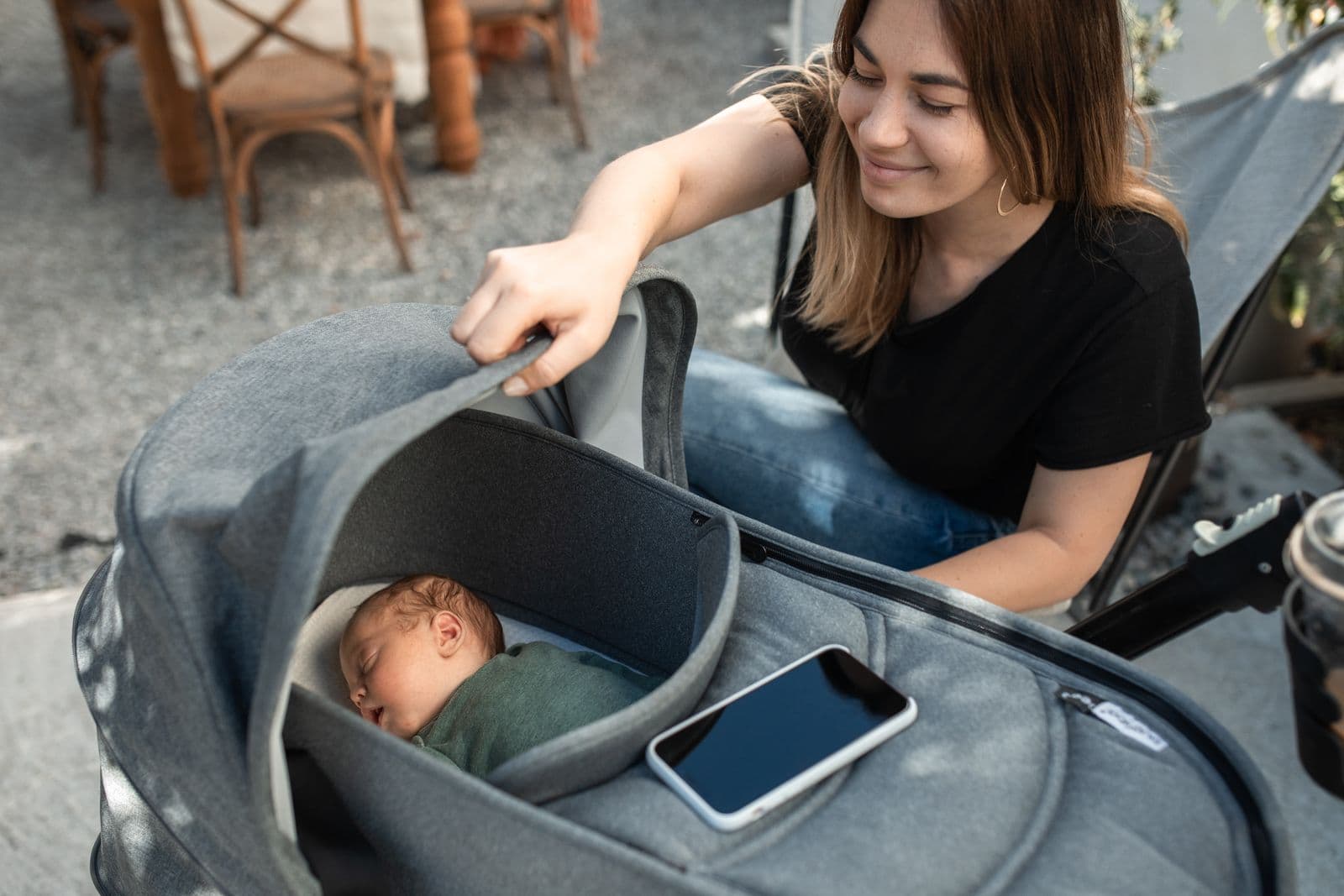
If a lot of your walking happens during naps, yes. A carrycot gives a flat surface for a sleeping newborn, which an infant car seat does not, and it is the part of a pram system that most closely follows the safe sleep guidance.
Sources
As an Amazon Associate we earn from qualifying purchases. We earn a commission on some links, at no extra cost to you. It never changes which products we recommend or the order they appear in. Full disclosure

Who wrote this
Editor, gear and the arithmetic of a small home
Marisa Okonkwo edits BabyGearSearch and writes the hardware half of it: strollers, car seats, carriers and the furniture around them. She reads the specification sheet, the fit list and the returns policy in full before she reads a single review, because the difference between two apparently identical strollers is almost always a number one of them declines to publish.
More from MarisaThe standard
How this guide was built
- Manufacturer specification sheets and warranty terms, read in full rather than summarised from a listing.
- The federal safety standard the product is certified to, plus anything NHTSA, the AAP or the CPSC has published on it.
- Owner reports at volume, including the one-star reviews, which is where failure modes live.
- Every price checked against the live listing on the date printed beside it.