Stroller Folds Explained: One-Hand, Self-Standing and What Matters
The mechanism you operate several times a day, and the only three fold specifications that change how a stroller feels to live with.
- Editor, gear and the arithmetic of a small home
- Jun 8, 2026
- Updated Aug 4, 2026
- 8 min read
In this guide
A stroller's fold is the part of it you interact with most and the part reviews describe least usefully. Every brand claims theirs is easy. The honest way to compare them is to name the mechanism, then check three specifications that decide whether it is easy in the situations where easy actually matters, which are always the awkward ones.
The five mechanisms
Umbrella fold
The frame collapses lengthwise into a long, thin stick, like the umbrella it is named after. Two levers, usually operated with both hands and often a foot.
Long and narrow. Excellent for a hall cupboard or leaning behind a door, poor for a shallow boot, because the length is unforgiving. Almost never self-standing. The cheapest and lightest strollers use it, and it is why a very light stroller often will not stand up on its own.
Book fold
The frame folds in half front to back, like closing a book. Usually one lever or a squeeze-and-push on the handlebar.
Produces a flat, rectangular package that loads neatly into most boots and stacks against a wall. Bulkier in one dimension than an umbrella fold and much better shaped for a car. This is what most mid-range and premium full-size frames use.
Trifold or Z-fold
The frame folds twice, in three sections. More steps, and a much smaller result.
This is what compact and travel strollers use to reach cabin-bag territory. The trade is complexity: three joints instead of one means more to learn and more to go wrong, and the fold is rarely one-handed in practice regardless of what the box says.
Automatic or self-fold
A button or a motor does it. Rare, heavy, expensive, and it introduces a battery or a mechanism into the one part of a stroller that most needs to be dependable.
Frame-and-seat separating fold
The seat unit comes off, then the frame folds. Common on modular systems where one frame accepts a carrycot, a toddler seat and a car seat.
The folded frame is genuinely compact, and there are now two objects rather than one. That is fine if the boot is deep and irritating if you are doing it in the rain on a kerb.
The three specifications that matter
Self-standing
Does the folded stroller stand up on its own, or does it need a wall?
This sounds cosmetic and is not. A stroller that must lean will slide down the wall, mark it, and fall over sideways into a hallway where somebody will trip on it at night. In a narrow hall or a shared entrance it is the difference between a stroller that lives where you planned and one that lives wherever it ends up.
Self-standing is also what makes a fold usable at the kerb, because you can stand it up while you open the boot rather than balancing it against a car door.
Genuinely one-handed
Brands are loose with this claim, so test the specific thing you will do. Can you fold it while holding a baby on your other side? That is a different task from folding it with two free hands and a clear floor.
The three details that decide it: whether the release is reachable from a normal standing position rather than requiring a crouch, whether it needs a simultaneous two-point squeeze, and whether the folded frame stays folded on its own or needs a latch engaged by hand afterwards. A fold that requires a second action to secure is not one-handed no matter where the lever sits.
Automatic lock
When it folds, does it latch shut by itself?
A frame that half-opens as you lift it is a two-handed job wearing a sling, and it is how strollers get dropped and how fingers get caught. An automatic lock is one of the highest-value small features in this category and is frequently the difference between two otherwise identical frames.
What to check in a shop, in ninety seconds
Fold and unfold it three times without reading the instructions. If you cannot work it out by the third go, you will be swearing at it in a car park in February.
Fold it one-handed while holding something bulky in the other arm. A bag works.
Stand the folded frame up and let go.
Pick it up by whatever the carry point is, and note whether there is one. Some folds have no natural handhold and end up carried in a bear hug against your coat, which is exactly as pleasant as it sounds.
Then unfold it while wearing a coat, because the extra bulk changes where your arms can go, and a surprising number of squeeze-releases are designed around a person in a T-shirt.
The standard behind the latch
The fold is also the part of a stroller with the longest recall history, and that history is why the current standard is written the way it is.
Strollers sold in the United States are made to ASTM F833, the consumer safety performance specification for carriages and strollers. Among other things it sets requirements for the locking mechanism, because a frame that collapses under load and a hinge that closes on a finger are the two hazards this product category keeps producing. Search any brand in the CPSC recall database and the entries cluster around hinges, latches and folding joints rather than around wheels or fabric.
The practical reading of that for a buyer is simple. A fold with a positive, audible lock that you can feel engage is doing the thing the standard exists to enforce. A fold that relies on you noticing a latch is one you will eventually not notice.
The fold and the boot are one decision
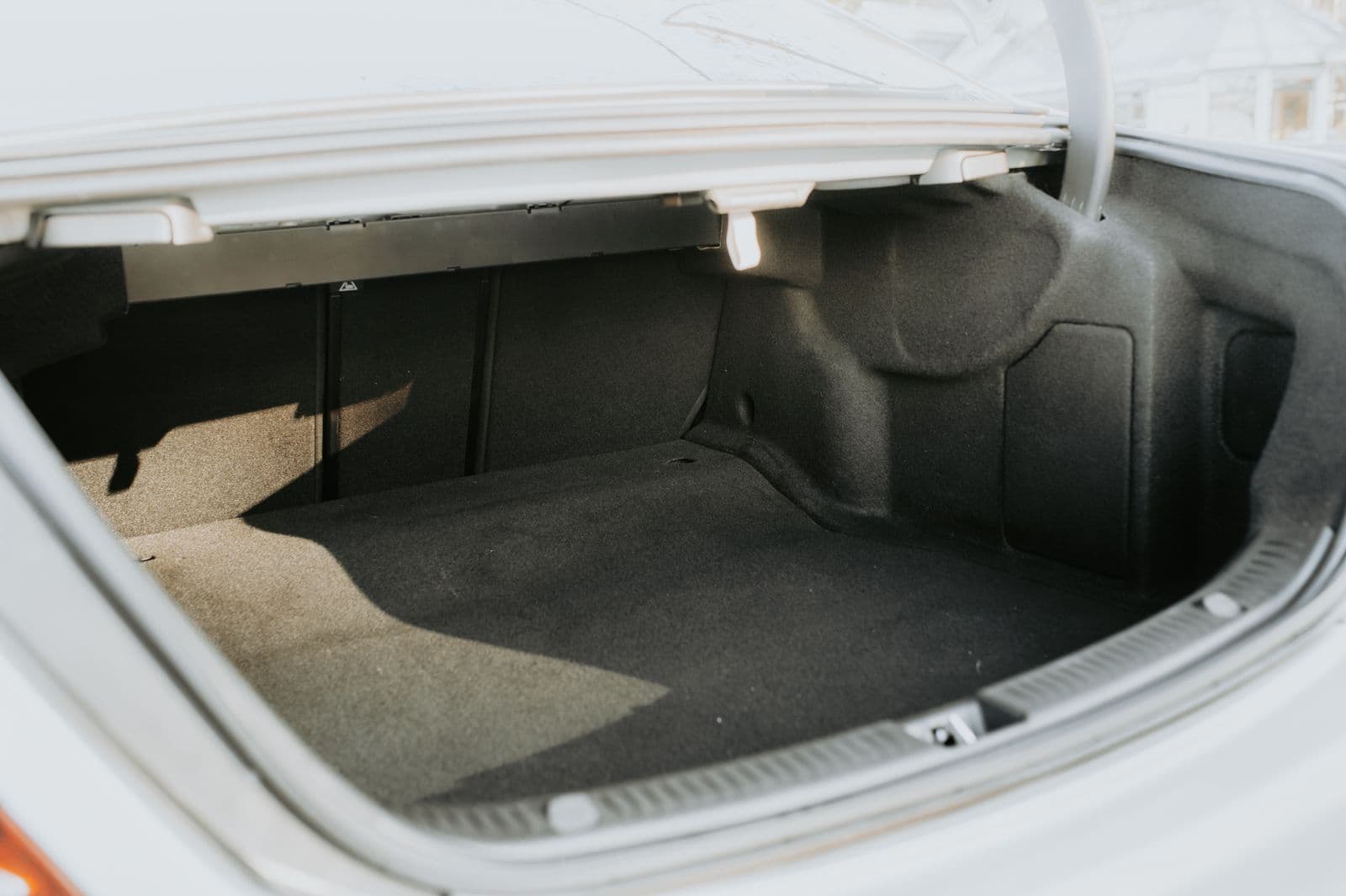
A fold is only good relative to the space it goes into. An umbrella fold that is superb for a hall cupboard is poor in a shallow saloon boot, and a book fold that loads perfectly into an estate is awkward under the stairs.
Take the boot aperture and the storage-space measurements first, then choose the mechanism that suits both. The full list of what to measure is in measure your boot before you buy a stroller, and it is worth doing before you fall for a fold in a showroom.
Where the fold sits among everything else
Fold is one of four things that decide a stroller, and it is the one you feel daily. The other three are how it rolls on the surfaces you actually use, whether it becomes a double later, and whether it takes the infant car seat you need. Our stroller roundup ranks the picks against all four, and travel system versus buying separately covers how the car seat pairing changes the maths.
For the first few months a lot of families barely fold anything, because the baby travels on a body and the frame stays in the hall. If that sounds like your life, the carrier guide is the more useful read, and it is worth knowing that a carrycot on the frame is the part that follows the safe sleep guidance covered in the cribs and bassinets guide.
Questions people actually ask
Is a lighter stroller always easier to fold?
No, and the relationship often runs the other way. The lightest frames use umbrella folds with two releases and no self-stand, while heavier book-fold frames frequently have a single one-handed release and an automatic lock. Weight matters at the boot lip. It does not predict the fold.
What does cabin-approved actually mean?
It means the folded dimensions fall inside some airlines' stated cabin allowance, not all of them, and allowances differ by carrier and by aircraft. Check the specific airline's published maximum against the stroller's folded figures rather than relying on the marketing phrase.
Do fold mechanisms wear out?
The joints and the latch are the parts that see the most cycles, so yes, they are the usual place a frame develops play after a couple of years. Grit is the main culprit. Rinsing and drying the hinges after beach or gritted-pavement use extends the life of the mechanism more than anything else you can do.
Is a self-folding stroller worth it?
For most families, no. It adds weight, cost and a mechanism to the one component that most needs to be simple and dependable, and it solves a problem a good one-handed manual fold with an automatic lock has already solved.
Can I fold a stroller with the seat still attached?
On most full-size frames yes, and often only with the seat facing one particular direction. Check whether your frame folds with the seat parent-facing as well as world-facing, because a frame that only folds one way means reversing the seat every single time before you can put it in the car.
Sources
As an Amazon Associate we earn from qualifying purchases. We earn a commission on some links, at no extra cost to you. It never changes which products we recommend or the order they appear in. Full disclosure

Who wrote this
Editor, gear and the arithmetic of a small home
Marisa Okonkwo edits BabyGearSearch and writes the hardware half of it: strollers, car seats, carriers and the furniture around them. She reads the specification sheet, the fit list and the returns policy in full before she reads a single review, because the difference between two apparently identical strollers is almost always a number one of them declines to publish.
More from MarisaThe standard
How this guide was built
- Manufacturer specification sheets and warranty terms, read in full rather than summarised from a listing.
- The federal safety standard the product is certified to, plus anything NHTSA, the AAP or the CPSC has published on it.
- Owner reports at volume, including the one-star reviews, which is where failure modes live.
- Every price checked against the live listing on the date printed beside it.