How Loud Is Too Loud? What the Sound Machine Decibel Studies Found
Two published studies measured infant sound machines against adult noise exposure limits. What they found, and the volume and distance rule that follows.
- Editor, gear and the arithmetic of a small home
- Aug 26, 2026
- 11 min read
In this guide
There is no federal standard for how loud a baby sound machine is allowed to be. Cribs are certified to ASTM F1169. Car seats are certified to FMVSS 213. A sound machine that runs at full volume six inches from a crib rail is certified to nothing, because nobody regulates it, and the American Academy of Pediatrics said exactly that in a 2023 policy statement calling on the federal government to close the gap.
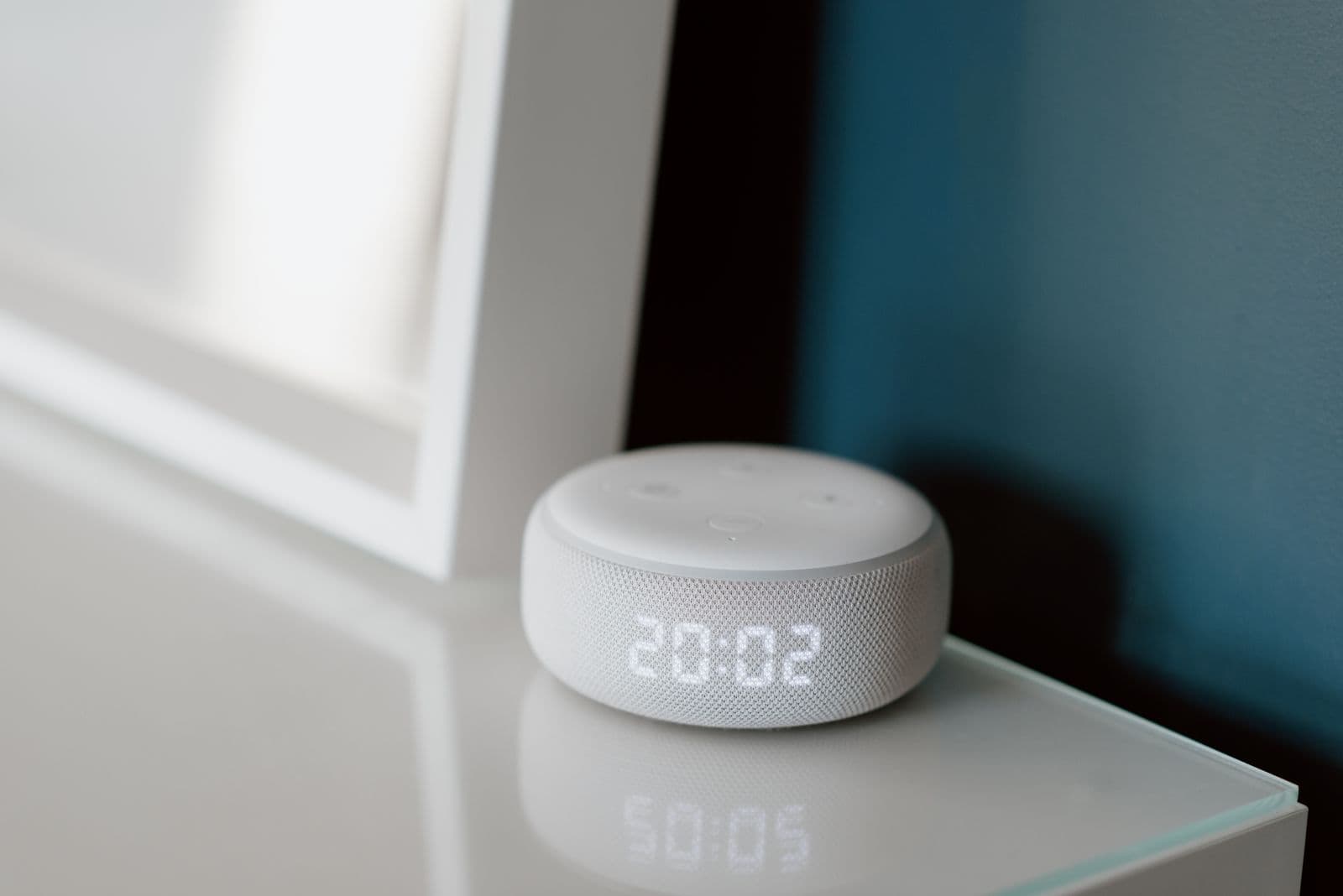
That gap is why two separate research teams did the measuring themselves. Both put real sound machines through a real sound-level meter, at the distances families actually use them, and both found the same thing: a meaningful share of the devices on the market can exceed the noise exposure limit set for adults in a factory, played into a crib for eight hours at a stretch, every night, for months.
None of this means a sound machine is dangerous by default. It means the volume knob and the distance from the crib are not cosmetic choices, and the two studies below are specific enough to act on rather than just worry about.
What the two studies actually measured
The first is Hugh et al., published in Pediatrics in April 2014: 14 popular infant sound machines, run through their full range of sounds, measured with a calibrated sound-level meter at three distances, right against the crib rail, 30 centimeters away, and 200 centimeters away, the last one approximating a machine placed across the room. At maximum volume and 30 centimeters, three of the fourteen machines exceeded 85 A-weighted decibels (dBA). At the closest distance, every single machine in the study exceeded 50 dBA, the threshold researchers used as their comparison point for a hospital nursery.
The second is Hong, Kuziez, Das, Harris and Brunworth, published in the International Journal of Pediatric Otorhinolaryngology in 2021: a newer set of 14 devices, including phone apps this time, measured at 10 centimeters and at greater distances. At maximum volume and the closest distance, nine of the fourteen devices, nearly two-thirds, exceeded 85 dBA. The authors' stated conclusion was blunt: chronic use of these devices at those settings could plausibly contribute to noise-induced hearing loss in infants, and they recommended conservative use, meaning lower volume settings and more distance from the crib as the default rather than the exception.
Two research groups, seven years apart, different devices, same finding: turned all the way up and placed close to where a baby's head actually is, a meaningful fraction of sound machines cross a line that exists for adults in workplaces, not for infants asleep for ten or twelve hours.
Why 85 dBA is the number that matters
Eighty-five decibels A-weighted is the National Institute for Occupational Safety and Health's recommended exposure limit: the level at which continuous exposure for eight hours is considered the outer edge of acceptable for an adult worker, with the allowed exposure time cut roughly in half for every additional 3 dB above it. It is not a number anyone derived specifically for infants. Both research teams borrowed it because there is no infant-specific standard to borrow instead, and both were explicit that an infant's situation is worse than the adult comparison in one obvious way: a baby cannot walk away from the noise, cannot ask for it to be turned down, and sleeps through the entire eight-to-twelve-hour exposure the standard was built around measuring in an adult who gets to leave at the end of a shift.
A machine that never touches 85 dBA is not proven safe by that fact alone, and a machine that occasionally brushes past it during one loud track is not proven dangerous either. What the studies establish is a ceiling worth respecting and a reason to check rather than assume: run a machine at a volume and distance where it never reaches that number at the crib, and the exposure question mostly resolves itself.
The 45-decibel number hospitals use, and why it does not transfer directly
The American Academy of Pediatrics has a second, older reference point that shows up constantly in sound machine advice without much context: a 1997 Committee on Environmental Health policy statement recommending that neonatal intensive care units keep ambient noise below 45 decibels, a figure the committee adopted from an Environmental Protection Agency recommendation for hospital environments generally.
That number describes background noise in a NICU designed around fragile, often premature infants recovering in an environment built to be quiet by default. It is not a rule for a healthy full-term baby's bedroom, and no guidance body has issued an equivalent number for a home nursery. What it is useful for is scale: both sound machine studies used 50 dBA, close to that hospital figure, as their own comparison point, and both found that essentially every machine tested exceeded it at close range even before reaching anywhere near the 85 dBA occupational ceiling. The gap between "quiet enough for a NICU" and "loud enough to worry an audiologist" is wide, and most machines at close range sit somewhere in the middle of it rather than at either extreme.
The volume and distance rule that follows from the data
Two variables do almost all the work, and they are the two the studies manipulated: volume and distance.
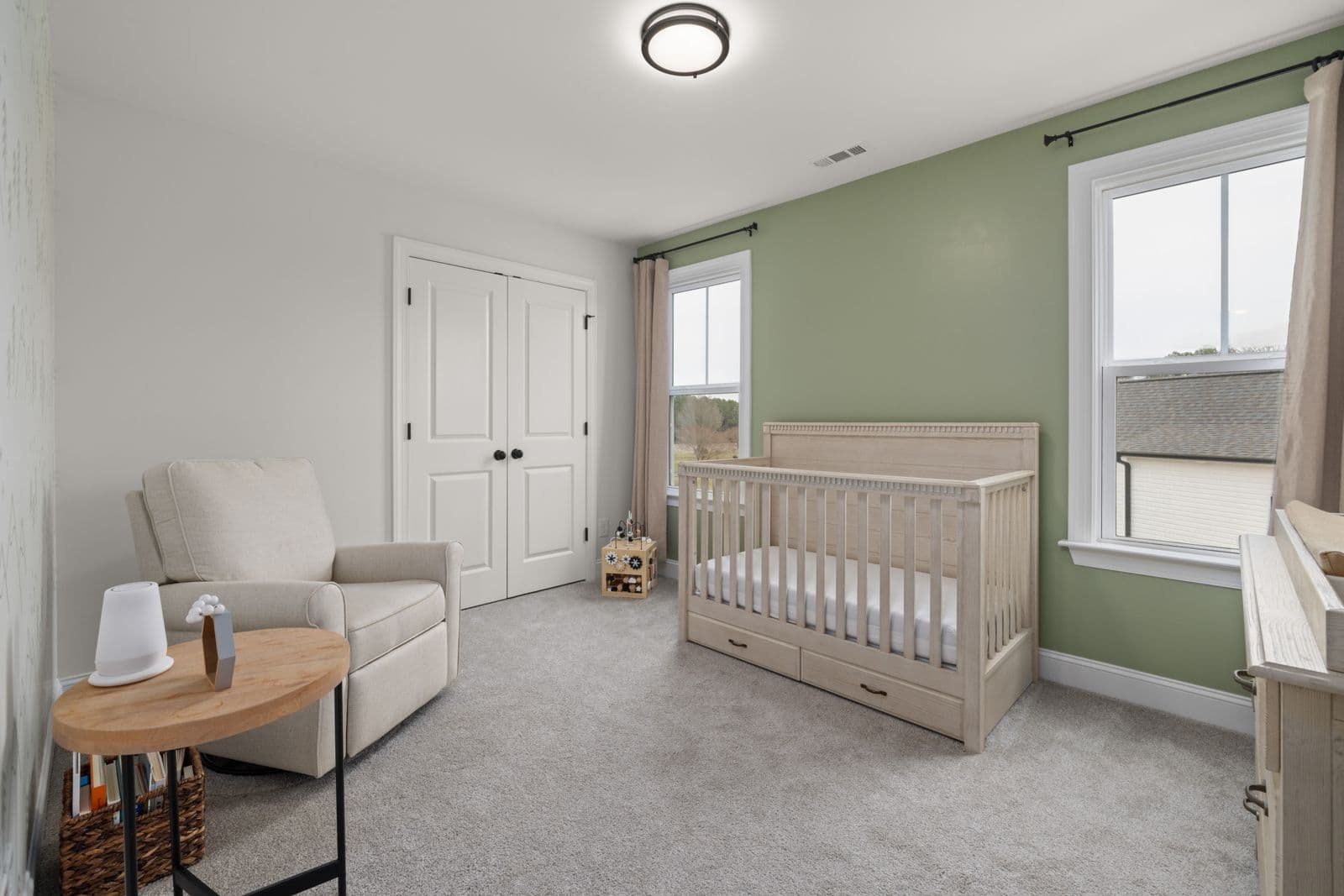
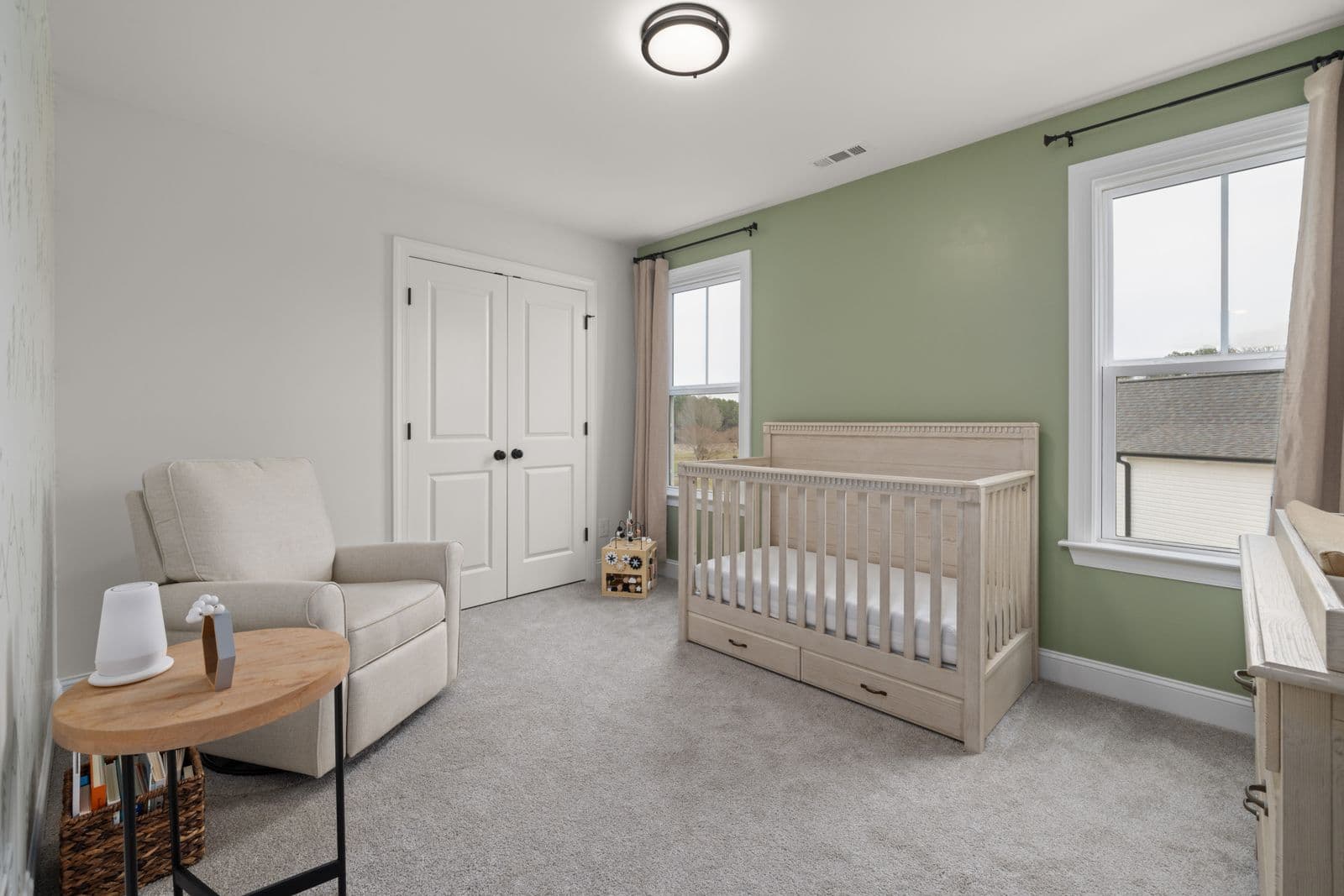
Distance is the cheaper fix and the more effective one. Both studies found sound levels dropped sharply between the closest measurement point and the ones taken further away, which is simple physics: sound pressure falls off with distance from the source. A machine on the crib rail or the changing table beside the crib is delivering close to its full rated output straight at a baby's ear all night. The same machine across the room, on a dresser or shelf several feet away, is delivering meaningfully less, often enough on its own to move it out of the range either study flagged as concerning. A commonly repeated rule of thumb, consistent with the studies' own methodology, is to keep a sound machine at least seven feet from the crib rather than inside arm's reach of it.
Volume matters more once distance is already sorted. A machine at maximum volume seven feet away can still be running louder than the same machine at half volume two feet away. The practical test that survives contact with an actual dark bedroom at 2am is the conversation test: stand at the crib and see whether you can hold a normal conversation over the machine without raising your voice. If you cannot, it is loud enough to be worth turning down, regardless of what the volume dial says it is set to.
A phone decibel meter app is close enough to check, not to certify. NIOSH publishes a free sound-level meter app built for exactly this kind of casual check, and it is accurate enough to tell you whether a machine at your usual settings is sitting near 50 dBA, near 85 dBA, or comfortably under both. It is not a calibrated instrument and nobody should treat a single reading as a pass or fail. What it is good for is confirming that a machine you have placed across the room at a moderate volume is actually behaving the way the placement suggests it should, rather than guessing.
What does not follow from the studies
The studies measured maximum-volume output at close range. They did not measure, and do not claim to show, that a sound machine used at a moderate setting from across the room causes hearing damage, and neither research team recommended abandoning sound machines altogether. The consistent recommendation across both papers is conservative use: lower default volumes, more distance, and treating the loudest setting as one to avoid rather than one to use nightly. A device that ships with a volume dial that goes higher than is sensible is not itself the hazard; running it at the top of that dial, on the crib rail, for a full night's sleep, is the specific combination the data speaks to.
It is also worth separating this from the breathing monitor question covered elsewhere on this site. That is a case where the evidence for a claimed benefit is thin. This is closer to the reverse: the evidence that a specific, measurable exposure occurs is solid, and the fix (turn it down, move it back) is simple enough that there is little reason not to apply it.
A sound machine is one part of the room
Noise is one lever in a nursery's environment, and the sound machine roundup covers which models make continuous, loop-free noise without an auto-off timer that defeats the purpose at 2am, the same guide that this article's distance and volume rule is meant to sit alongside. The other two levers are covered separately: light in blackout in a nursery, and temperature in nursery temperature and overheating risk, which is the one carrying the strongest safe-sleep evidence of the three. The furniture question that decides where a sound machine can actually sit relative to the crib is in changing table or dresser topper, since a nursery with more surface area gives you more places to put a machine seven feet out instead of on the rail.
Questions people actually ask
Is my sound machine actually dangerous?
Almost certainly not at a moderate volume placed across the room. The studies measured worst-case conditions: maximum volume, within about a foot of the microphone. The same devices measured several feet away and at lower settings came in well under the levels either study flagged.
How far should a sound machine be from the crib?
A commonly cited distance, consistent with how both studies were designed, is at least seven feet. If your nursery cannot fit that, prioritize turning the volume down over keeping the machine close; distance and volume both reduce exposure, and either one alone helps.
What decibel level should I aim for?
There is no official target, but the two published studies used 50 dBA and 85 dBA as their reference points, the first close to the noise limit hospitals use for a NICU and the second the adult occupational exposure limit. Staying comfortably under 50 dBA at the crib, measured with a phone sound-level app, is a reasonable goal.
Do mechanical fan-based machines measure differently than digital ones?
Neither study sorted results by mechanical versus digital, since the variable they were testing was volume and distance, not sound-generation method. A fan-based machine has no loop or compression artifact, but its output in decibels depends on the same volume and placement choices as any other machine.
Should I stop using a sound machine altogether?
Neither research team recommended that. Both recommended conservative use: lower default volumes and more distance from the crib, not eliminating sound machines. A machine used sensibly is a different exposure than the maximum-volume, close-range condition the studies measured.
Sources
- Hugh SC et al., "Infant Sleep Machines and Hazardous Sound Pressure Levels," Pediatrics, April 2014
- Hong SA et al., "Hazardous sound outputs of white noise devices intended for infants," International Journal of Pediatric Otorhinolaryngology, 2021, via PubMed
- AAP, "Preventing Excessive Noise Exposure in Infants, Children, and Adolescents," Pediatrics, 2023
- AAP Committee on Environmental Health, "Noise: A Hazard for the Fetus and Newborn," Pediatrics, 1997
- NIOSH Sound Level Meter app
- CPSC recall database
As an Amazon Associate we earn from qualifying purchases. We earn a commission on some links, at no extra cost to you. It never changes which products we recommend or the order they appear in. Full disclosure
Who wrote this
Editor, gear and the arithmetic of a small home
Marisa Okonkwo edits BabyGearSearch and writes the hardware half of it: strollers, car seats, carriers and the furniture around them. She reads the specification sheet, the fit list and the returns policy in full before she reads a single review, because the difference between two apparently identical strollers is almost always a number one of them declines to publish.
More from MarisaThe standard
How this guide was built
- Manufacturer specification sheets and warranty terms, read in full rather than summarised from a listing.
- The federal safety standard the product is certified to, plus anything NHTSA, the AAP or the CPSC has published on it.
- Owner reports at volume, including the one-star reviews, which is where failure modes live.
- Every price checked against the live listing on the date printed beside it.